
Solutions
keyboard_arrow_downServices
keyboard_arrow_downSupport & Resources
keyboard_arrow_downCompany
keyboard_arrow_downContact
Coeliac Disease Biochips
Get in touch to discover more
To find out more about the Coeliac Disease Biochips, enquire now.
Screening for IgA antibodies to tissue transglutaminase (Anti-tTG IgA) and IgG antibodies to tissue transglutaminase (Anti-tTG IgG) can provide insight into a patient’s response to foods like gluten, often checked when identifying food sensitivities or autoimmune conditions, such as coeliac disease.
Applications
- Primary Care GPs
- Hospital Labs
- Gastroenterology Departments
Anti-tTG IgA Biochip
Anti-tTG IgA are used as the preferred test for screening of coeliac disease and dermatitis herpetiformis, being highly (>90%) sensitive and specific. There is a good correlation between anti-tTG antibody and disease activity. Relapse or poor compliance with a gluten-free diet is often associated with the return of antibody positivity.
humidity_low Sample Type:
Serum
update Time to Result:
40 Minutes
labs Sample Volume:
230 µL
Anti-tTG IgG Biochip
Coeliac disease is often associated with IgA deficiency, a common immunodeficiency found in around 1 in 500 of our population. IgA levels are estimated in all patients with suspected coeliac disease. As such, IgA-deficient individuals with suspected coeliac disease are tested for Anti-tTG IgG to aid in diagnosis
humidity_low Sample Type:
Serum
update Time to Result:
40 Minutes
labs Sample Volume:
230 µL
Benefits of the Evidence MultiSTAT
Using biomarker data would improve triage, reduce or defer referral, fast track patients identified as 'high risk', and reduce healthcare burden.
With results from a single sample patients can avoid taking unnecessary and invasive tests
Biochip results and refined data-based analysis accelerates medical decisions.
The Evidence MultiSTAT
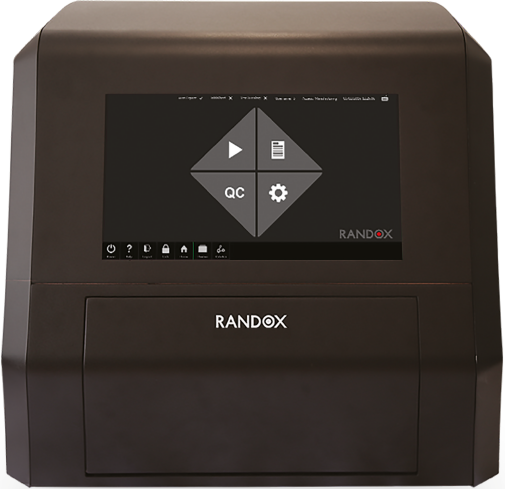
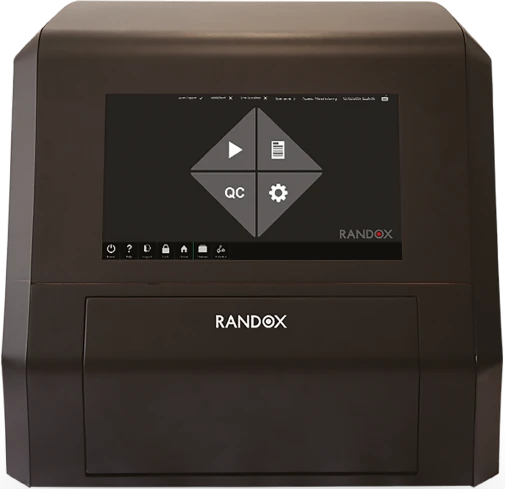
The Evidence MultiSTAT is an easy to use, small footprint analyser facilitating on-site simultaneous detection of multiple biomarkers.
Using chemiluminescence as a measurement principle, the Evidence MultiSTAT consistently delivers accurate results.
With minimal sample preparation required, this versatile benchtop analyser can achieve accurate, quantitative results in minutes.
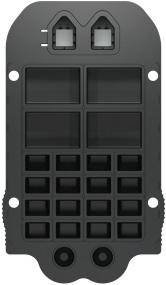
MultiSTAT Cartridge
The Evidence MultiSTAT cartridge contains the reagents required for the chemiluminescent reaction to take place incorporated into its wells.
The process from sample entry to results can be completed in 2 simple steps, with minimal risk of human error.
No other components are required.