
Solutions
keyboard_arrow_downServices
keyboard_arrow_downSupport & Resources
keyboard_arrow_downCompany
keyboard_arrow_downContact

Pancreastatin is an emerging biomarker that may provide valuable insights into neuroendocrine tumours (NETs), including their presence, progression and prognosis. Unlike chromogranin A, pancreastatin levels are not affected by proton pump inhibitor medications, potentially offering a more reliable result. Now available using Randox’s innovative Biochip Technology, this novel test may also support further understanding of insulin resistance and metabolic health.
Get in touch to discover more
To find out more about Pancreastatin, enquire now.
Pancreastatin and Neuroendocrine Tumours
Neuroendocrine tumours (NETs) are rare malignancies that arise from neuroendocrine cells, specialised hormone-producing cells located throughout the body, most commonly within the lungs, gastrointestinal tract, and pancreas.
Pancreastatin is a biologically active peptide produced through the proteolytic cleavage of chromogranin A and is expressed by neuroendocrine cells. It has emerged as a potential biomarker for the detection, monitoring, and prognostic assessment of neuroendocrine tumours. Unlike chromogranin A, pancreastatin concentrations appear to be unaffected by proton pump inhibitor therapy, which may provide an advantage when assessing patients receiving these medications.
Circulating pancreastatin concentrations are generally higher in patients with NETs and appear to correlate with tumour burden and disease progression. Elevated levels have been associated with an increased risk of metastasis, poorer progression-free survival, and reduced overall survival, suggesting that pancreastatin may have value as a prognostic biomarker. In particular, substantially elevated concentrations have been associated with more advanced disease and poorer clinical outcomes. Overall, these findings indicate that pancreastatin may provide useful information regarding both the presence and biological behaviour of NETs.
Pancreastatin and Glucose Metabolism
In addition to its potential role as a tumour biomarker, pancreastatin has biological effects on glucose metabolism. Evidence suggests that pancreastatin can inhibit insulin secretion and promote glucagon release, thereby contributing to increased blood glucose concentrations and impaired glucose regulation. Much of the current evidence comes from experimental animal models, in which inhibition of pancreastatin has been associated with lower blood glucose levels, improved insulin sensitivity, and reduced adiposity.
Studies in models of obesity and type 2 diabetes have similarly demonstrated that reducing pancreastatin activity can improve insulin sensitivity and glucose control. Conversely, administration of pancreastatin has been shown to promote insulin resistance. Collectively, these findings suggest that pancreastatin may contribute to the development of metabolic dysfunction and could represent a biological link between obesity, insulin resistance, and impaired glucose metabolism. However, further research is required to establish the relevance of these experimental findings to human metabolic disease.
Pancreastatin and Diabetes
The role of pancreastatin in regulating blood glucose in humans is not yet fully understood. However, research suggests that it may influence how the body processes glucose and could be involved in the metabolic changes associated with diabetes.
Studies have shown that pancreastatin may reduce the uptake of glucose by cells, potentially contributing to higher blood glucose levels. Increased pancreastatin activity has also been observed in some people with type 2 diabetes and gestational diabetes, particularly following an increase in blood glucose.However, research findings have not been consistent. Some studies have found similar fasting pancreastatin levels in people with diabetes and those without diabetes, while differences become more apparent following a glucose challenge.
Overall, this may suggest that pancreastatin responds to metabolic stress, with levels changing when the body is challenged by increased blood glucose or other conditions associated with metabolic dysfunction.
Biochip Array Technology
Randox Biochip Technology enables precise measurement of Pancreastatin, providing valuable insights into the presence of NETs, as well as its affects on Glucose Metabolism
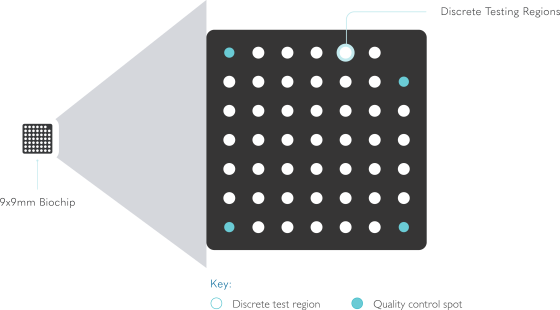
Available on the Evidence RABTA
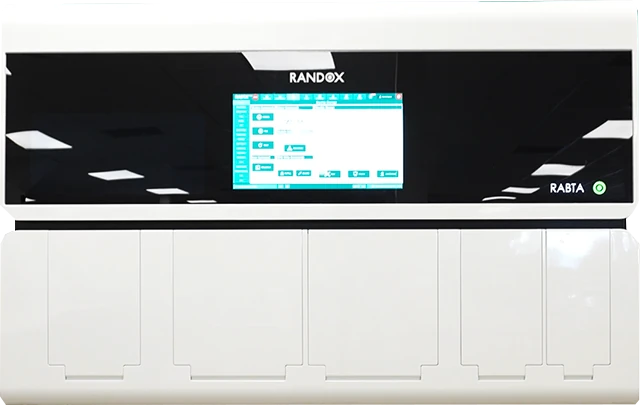
The Evidence RABTA (Random Access Biochip Technology Analyser) sets a new standard in laboratory diagnostics, combining true random access testing with advanced Biochip Array Technology to deliver fast, flexible, and high-volume multi-analyte analysis.